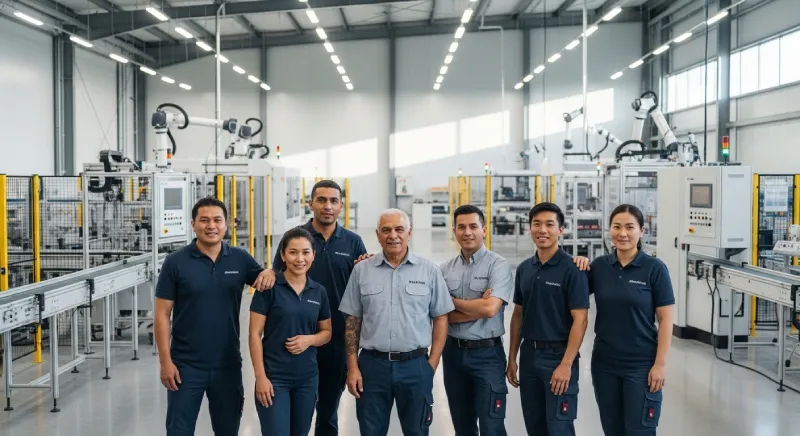
Trust at work is rarely destroyed in one dramatic moment. It is usually weakened by small, repeated leadership behaviors such as avoiding difficult conversations, changing expectations without explanation, and giving inconsistent feedback.
When leaders break trust quietly, teams lose clarity, engagement drops, and performance suffers. The good news is that trust can be protected and repaired through awareness, consistency, and timely action.
At Soaring Leadership, we work with organizations across industries to strengthen leadership effectiveness and build cultures where people feel safe, clear, and accountable. Learn more about our approach on our Home Page.
What Does It Mean When Leaders Quietly Break Trust?
Leaders quietly break trust when their actions create uncertainty, inconsistency, or emotional discomfort that goes unaddressed.
This often includes:
- Avoiding uncomfortable conversations
- Shifting priorities without communicating why
- Allowing certain behaviors to slide
- Providing unclear or inconsistent feedback
- Saying one thing but modeling another
These behaviors may seem small in the moment, but over time they erode credibility.
Why Trust Erodes in Organizations
Many leaders do not intentionally damage trust. In fact, most are trying to protect relationships or avoid conflict.
However, avoiding discomfort creates bigger problems.
Who struggles most?
- New supervisors who lack confidence
- Technical experts promoted into leadership roles
- Manufacturing leaders balancing production pressure and people issues
- Senior leaders managing rapid change
In fast paced environments like manufacturing, priorities shift quickly. If leaders do not clearly explain what changed and why, employees begin to question stability and fairness.
Without clarity, people start asking themselves:
- Where do I stand?
- What is actually expected of me?
- Is it safe to speak openly?
Once these questions surface, engagement begins to decline.
5 Practical Steps to Repair and Protect Trust
If you are wondering how leaders break trust at work and how to fix it, here are practical actions you can implement immediately.
1. Address Difficult Conversations Early
Unspoken issues grow.
If someone’s behavior is misaligned or performance is slipping, address it with care and clarity. Waiting sends the message that standards are optional.
Ask yourself:
- What conversation have I been postponing?
- What am I hoping will fix itself?
Leadership requires courage, not avoidance.
2. Communicate When Expectations Shift
Change is normal. Silence is what damages trust.
When priorities move, explain:
- What changed
- Why it changed
- What success now looks like
Even a short explanation restores stability.
3. Be Consistent With Feedback
Inconsistent feedback creates anxiety.
Employees should not feel surprised during performance reviews. Regular, balanced, and specific feedback builds psychological safety.
If you want to strengthen this skill across your organization, explore our Live Leadership Training, which creates a shared leadership approach across teams.
4. Align Words With Actions
Credibility depends on alignment.
If you say safety is a priority but rush production at any cost, trust declines. If you encourage openness but react defensively, people will stop speaking up.
Leadership modeling is more powerful than any policy.
5. Create Ongoing Leadership Development
Trust building is not a one time workshop. It requires practice.
Our Online Learning Academy allows leaders to strengthen communication, accountability, and confidence through flexible, practical modules.
For deeper individual support, our Personalized Coaching helps leaders uncover personal barriers that may be preventing courageous conversations and consistent leadership behaviors.
Real World Example: Manufacturing Environment
A production supervisor in a manufacturing plant noticed tension rising between two team members. Output was still meeting targets, so he chose not to intervene.
Over several months:
- Communication between shifts declined
- Minor errors increased
- Blame began surfacing during meetings
Eventually, a larger quality issue occurred because critical information was not shared.
The root cause was not skill. It was unresolved conflict that leadership avoided addressing.
After participating in leadership development and receiving coaching, the supervisor learned to:
- Address behavior early
- Set clear expectations
- Facilitate structured conversations
Within three months, engagement scores improved and quality errors decreased.
Trust was not repaired with a speech. It was repaired through consistent action.
The Cost of Ignoring Quiet Trust Breakers
When leaders do not correct small trust fractures:
- Turnover increases
- Innovation decreases
- Safety risks rise
- Accountability weakens
- Engagement drops
In lean environments, this affects both culture and operational performance.
Through our Performance Consulting Services, we help organizations align leadership behaviors with process excellence so that trust and performance improve together.
Frequently Asked Questions
How do leaders unintentionally break trust?
Leaders unintentionally break trust by avoiding difficult conversations, changing expectations without explanation, being inconsistent with feedback, and failing to model stated values.
Can trust be rebuilt once it is damaged?
Yes. Trust can be rebuilt through transparency, consistent behavior, accountability, and open communication. Small corrective actions taken early are more effective than large reactive measures later.
How long does it take to rebuild trust?
It depends on the depth of the damage. Minor trust gaps can improve within weeks if addressed directly. Long standing cultural issues require sustained leadership development and reinforcement.
What is the fastest way to protect trust on a team?
The fastest way to protect trust is to communicate clearly when expectations shift and to address issues directly rather than avoiding them.
Who Is Soaring Leadership?
Soaring Leadership is a Canadian leadership development and performance consulting organization based in Mississauga, Ontario. We partner with companies across industries, especially manufacturing and operations focused environments, to strengthen leadership capability and organizational performance.
Our services include:
- Live Leadership Training
- Online Learning Academy
- Personalized Coaching
- Performance Consulting
- Sustainability programs such as Lunch and Learn sessions
We combine leadership psychology with lean continuous improvement to create practical, measurable results.
Explore more leadership insights on our Blog Page and discover development programs through our Online Training Academy.
If you are ready to strengthen trust in your organization, you can also book a complimentary conversation with Joyce here:
https://outlook.office365.com/book/SoaringLeadership@corpex.ca/