

Yesterday, you took your break together. Today, you’re their supervisor, and your friend has missed the production target. You know you need to say something. But how do you address the problem without making the relationship awkward? Meanwhile, the rest of the team is watching. Managing former peers brings a...

Recognize the Promotion Problem
You promoted your best operator. So why is everyone still waiting for them? They know the equipment. They understand the process. When something goes wrong, they know exactly how to fix it. That expertise may have earned them the promotion. However, new supervisor leadership requires a very different set of...

The Most Expensive Sentence in Manufacturing
It might be: “We’ll ask Maria when she gets back.” Maria has been running that line for 20 years. She knows the sound it makes before a problem appears, what to check first, and which adjustment could make things worse. But today, she isn't there. A newer employee notices something...
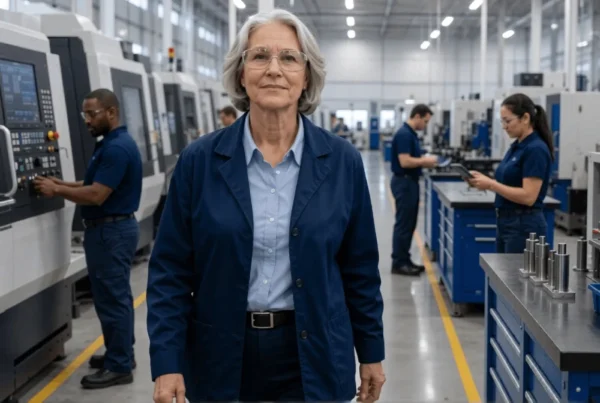
What Happens When the Person Who Knows the Answer Isn’t There?
Every workplace has someone who just knows. When a machine behaves differently, a process doesn't go as planned, or an employee runs into something they haven't seen before, there's usually one person everyone turns to. They remember what happened last time, know where to find the right information, and have...

Meeting Overload Is Costing Your Team: 4 Rules for More Productive Meetings
How many hours did your team spend in meetings last week? Now consider a more important question. How many of those meetings actually produced a decision, solved a problem, or moved important work forward? Meetings are an essential part of leadership. Teams need opportunities to coordinate work, share critical information,...

Why Good Leaders Still Make Bad Decisions: 4 Tools for Better Decision-Making
Every leader wants to make good decisions. Yet even smart, experienced leaders sometimes make decisions that cost an organization money, time, productivity, or good people. The surprising part is that those choices rarely feel like bad decisions when they are made. At the time, the information may appear reasonable. The...

Office Politics at Work: How Good Leaders Build Influence Without Playing Games
You are good at your job. You deliver results, work hard and believe that strong performance should speak for itself. Then one day, someone with less experience gets the promotion, project or opportunity you wanted. Suddenly, you are left wondering: How did that happen? Welcome to office politics at work....

The Micromanagement Trap: Why Your Team Stops Taking Ownership
Good leaders care about results. They want the work done properly, problems solved, and their people supported. However, that commitment can quietly turn into micromanagement when leaders become too involved in how their employees work. A quick check-in becomes constant monitoring. Helpful feedback becomes correcting every detail. Before long, managers...

5 Signs You’re the Manager Everyone Wants to Quit: And How to Fix It Before They Do
Good managers want employees to trust them. But trust goes beyond being liked or respected. It shows up when employees feel comfortable sharing ideas, admitting mistakes, disagreeing, and raising problems before they become crises. Certain management habits can quietly weaken that trust, often without the manager realizing it. Over time,...

Why Good Leaders Misread Their Teams: The Signals Leaders Often Miss
It is 10:12 in the morning. Six people are sitting around a table reviewing a proposed process change. One person is speaking. Two are nodding. Another is checking the clock. Meanwhile, the employee who understands the process better than anyone else has not said a word. The leader finishes explaining...