

Every leader faces pressure. A customer expects an immediate answer. A shipment is delayed. Equipment breaks down. Production falls behind schedule. Deadlines become tighter, and expectations continue to grow. Pressure is part of leadership. What many leaders fail to recognize, however, is that pressure rarely stays where it begins. Imagine...

Why Good Leaders Accidentally Create Silent Teams: The Leadership Lag That Holds Teams Back
Every leader wants a team that speaks up. Leaders encourage employees to report problems early, share improvement ideas, and raise safety concerns before they become costly mistakes. Yet many teams gradually become quieter, even when leaders believe they have created an open-door culture. Why does this happen? Often, it is...

Getting Things Done for Manufacturing Leaders: Why Better Decisions Drive Better Results
Most leaders work incredibly hard to become more productive. They organize calendars, manage overflowing inboxes, create detailed task lists, and constantly look for better ways to stay on top of their responsibilities. Those habits certainly improve organization. However, many manufacturing leaders eventually discover that becoming more efficient does not necessarily...
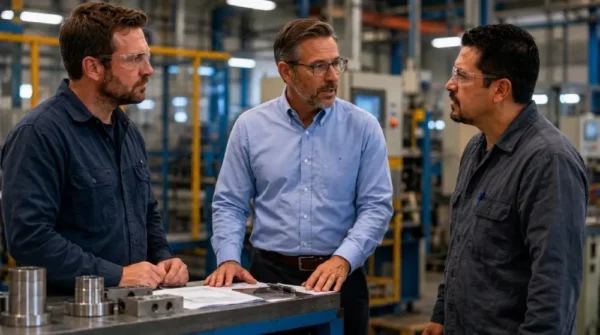
Workplace Conflict Resolution for Manufacturing Leaders: Avoiding Fake Harmony
Conflict is an inevitable part of leadership. Whether you oversee a production line, manage multiple shifts, or lead cross-functional teams, disagreements are bound to happen. The instinct for many leaders is to resolve conflict as quickly as possible so everyone can get back to work. Unfortunately, that instinct often creates...

First-Time Manager Tips: 3 Rules for Success in Your First 90 Days
First-time manager tips are often focused on communication, time management, or setting expectations. Although those skills matter, they are not always the reason new managers struggle. Many first-time managers fail in their first 90 days because no one prepares them for the real leadership shift. They move from being a...
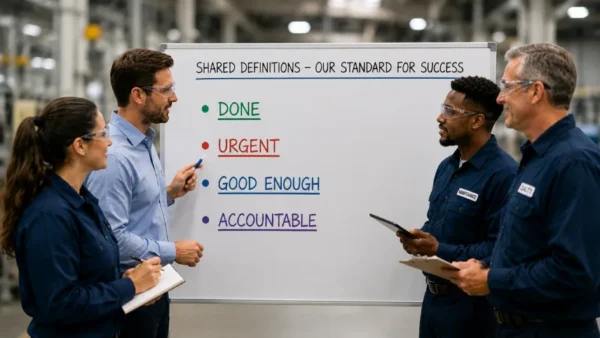
Building High-Performance Teams: Why Shared Definitions Matter
Building high-performance teams is one of the greatest challenges leaders face. Organizations invest significant time and money into leadership development, communication training, process improvements, and performance management. Yet many teams continue to experience the same frustrations. Projects fall behind schedule. At the same time, departments begin blaming one another. As...

Difficult Boss: Understanding the 3 Types and How to Handle Them
A difficult boss can significantly impact employee engagement, workplace performance, and career growth. Many professionals believe the solution is to work harder, stay quiet, or simply wait for the situation to improve. However, these approaches rarely solve the problem. Instead, learning how to deal with a difficult boss starts with...

Supporting High Performers: What Great Leaders Do Differently
Supporting high performers is one of the most important responsibilities of effective leadership. Many leaders believe their strongest employees need very little support. After all, high performers often work independently, solve problems quickly, and consistently deliver results. However, this assumption is one of the most common leadership mistakes. Supporting high...

Employee Motivation Starts With Leadership
Employee motivation is often viewed as something employees either have or do not have. One of the biggest misconceptions in leadership is the belief that motivated employees simply motivate themselves. While personal drive certainly matters, motivation does not exist in a vacuum. It is influenced every day by leadership, workplace...

Leadership Starts Before You Feel Ready
Leadership Starts Before You Feel Ready. One of the biggest surprises for first-time leaders is realizing that people are paying attention to far more than the words you speak. Your team is constantly observing how you respond under pressure, how you handle uncertainty, and whether you are willing to step...