

Good managers want employees to trust them. But trust goes beyond being liked or respected. It shows up when employees feel comfortable sharing ideas, admitting mistakes, disagreeing, and raising problems before they become crises. Certain management habits can quietly weaken that trust, often without the manager realizing it. Over time,...

Why Good Leaders Accidentally Pass Pressure to Their Teams: The Hidden Cycle of Pressure Transfer
Every leader faces pressure. A customer expects an immediate answer. A shipment is delayed. Equipment breaks down. Production falls behind schedule. Deadlines become tighter, and expectations continue to grow. Pressure is part of leadership. What many leaders fail to recognize, however, is that pressure rarely stays where it begins. Imagine...
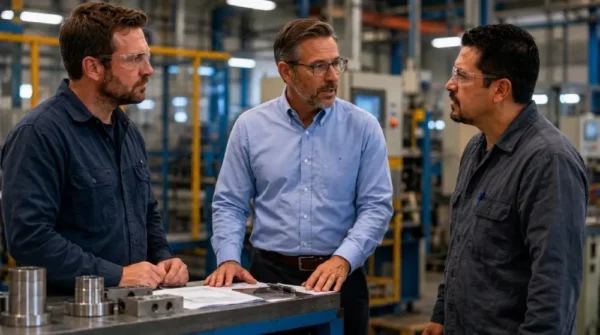
Workplace Conflict Resolution for Manufacturing Leaders: Avoiding Fake Harmony
Conflict is an inevitable part of leadership. Whether you oversee a production line, manage multiple shifts, or lead cross-functional teams, disagreements are bound to happen. The instinct for many leaders is to resolve conflict as quickly as possible so everyone can get back to work. Unfortunately, that instinct often creates...

Supporting High Performers: What Great Leaders Do Differently
Supporting high performers is one of the most important responsibilities of effective leadership. Many leaders believe their strongest employees need very little support. After all, high performers often work independently, solve problems quickly, and consistently deliver results. However, this assumption is one of the most common leadership mistakes. Supporting high...

Employee Motivation Starts With Leadership
Employee motivation is often viewed as something employees either have or do not have. One of the biggest misconceptions in leadership is the belief that motivated employees simply motivate themselves. While personal drive certainly matters, motivation does not exist in a vacuum. It is influenced every day by leadership, workplace...

Why Repeating Yourself as a Leader Signals a Systems Problem
Leaders often assume that effective leadership communication systems simply require repeating the message more often. The same meeting reminders continue showing up week after week. The performance expectation gets emphasized again. The same priorities are revisited. But repetition usually signals a deeper systems problem. When leaders constantly revisit the same...

When Communication Fails: The Leadership Cost of Assumptions
One of the most common communication breakdowns in leadership is the assumption that what was said is what was heard. Leaders often believe they have communicated clearly because the message made sense in their own mind. Yet team members interpret conversations through their own experiences, workload pressures, priorities, and assumptions....

How Leaders Set the Emotional Tone at Work
You Set the Emotional Temperature of Your Team Leaders set the emotional tone of their team through their reactions, communication style, and presence. When leaders stay calm, focused, and intentional, teams feel safe and perform better. When leaders react with stress or frustration, that energy spreads quickly and impacts productivity....

The Hidden Cost of Avoiding Accountability in Leadership
Avoiding accountability feels easier in the moment. It helps us avoid discomfort, preserves short-term peace, and postpones the difficult conversations we know need to happen. For many leaders, silence can feel like the safer option, especially when emotions are involved or the issue seems small enough to overlook. But the...

What Leaders Do That Quietly Break Trust and How to Fix It Before It Damages Your Team
Trust at work is rarely destroyed in one dramatic moment. It is usually weakened by small, repeated leadership behaviors such as avoiding difficult conversations, changing expectations without explanation, and giving inconsistent feedback. When leaders break trust quietly, teams lose clarity, engagement drops, and performance suffers. The good news is that...